How to Choose a Yoga Style as a Beginner
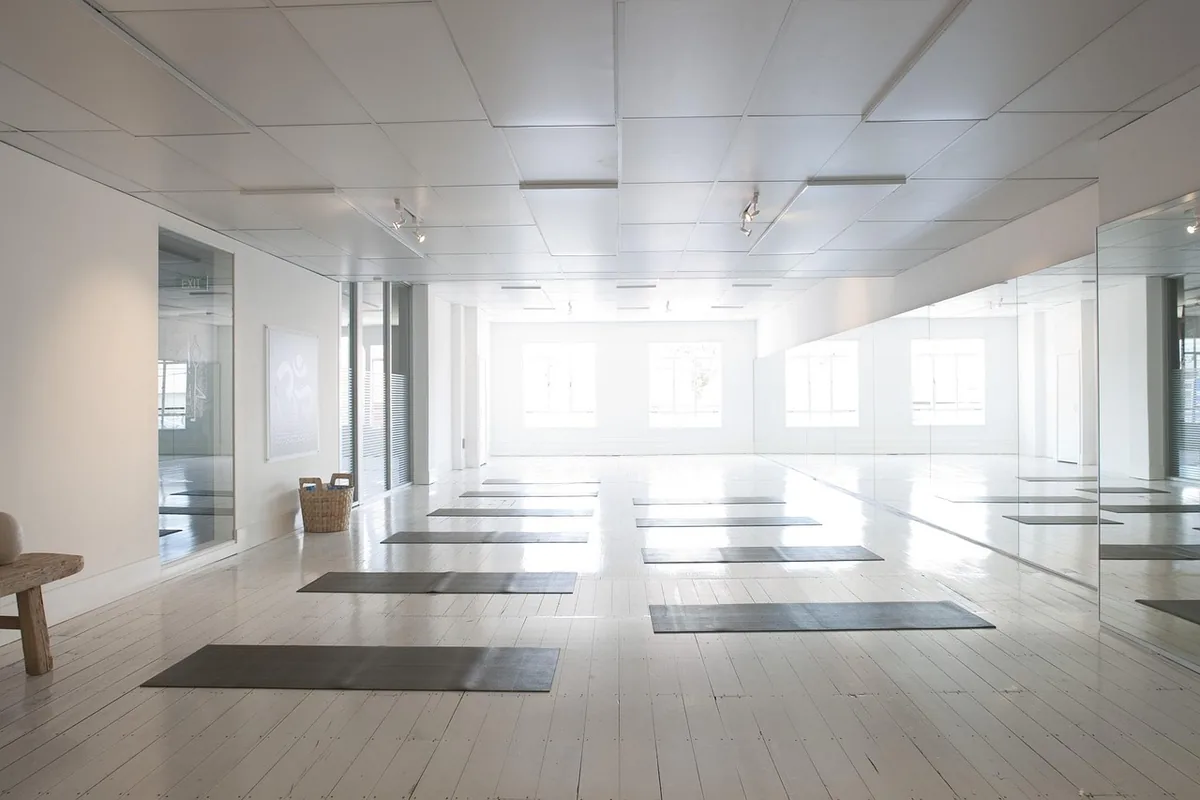
Walk into a yoga studio's class schedule and you will likely see a list of unfamiliar words: hatha, vinyasa, ashtanga, yin, iyengar, restorative. Each name points to a different approach, and for a beginner the choice can feel more confusing than the practice itself. The good news is that no style is objectively "right" for a first-timer. What matters is finding a style that fits your body, your goals and your daily life, so that you keep coming back. If you are looking for a general starting point for the practice, a good beginner yoga introduction can help you understand the basics before you commit to a class.
Start With What You Want From Yoga
Before comparing styles, ask yourself why you are interested in yoga. People come to the mat for many different reasons, and each reason points toward different kinds of classes.
- Flexibility and general fitness: dynamic styles that move you through many poses can build strength and mobility together.
- Stress relief and calm: slower, breath-focused classes help the nervous system settle.
- Back pain or stiffness: gentle, alignment-focused classes with plenty of guidance tend to feel safer and more controlled.
- Mental focus and mind-body awareness: classes that include meditation and pranayama (breath work) build attention over time.
- Structure and routine: some people thrive with a fixed sequence, while others prefer variety.
Be honest about your answer. If you want to sweat and feel challenged, a restorative class will feel too slow. If you are anxious or tired after work, an intense power class may leave you more drained than relaxed. Your reason for practicing is the most useful filter you have.
Understand the Main Style Families
Most yoga styles fall into a few broad families. Knowing these categories makes the studio schedule far less intimidating.
Hatha: the gentle foundation
Hatha is an umbrella term for classes that teach the physical postures (asana) at a relaxed pace, usually holding each pose for several breaths. It is one of the most common labels for beginner classes. Hatha is a good first choice because you learn the names and basic alignment of poses without rushing.
Vinyasa: flowing movement
Vinyasa links postures together with the breath, so you move from one pose to the next in a continuous flow. Classes are typically more energetic and can raise your heart rate. Beginners sometimes find the pace fast at first, but many levels of vinyasa are labeled clearly, so look for "beginner" or "level 1" sessions.
Iyengar: precision and props
Iyengar yoga emphasises careful alignment, holding poses for longer periods, and the use of props such as blocks, straps and bolsters. This makes it especially suitable for people with injuries, stiffness or limited mobility, because props let you adapt each pose to your body.
Yin and restorative: deep rest
Yin yoga holds floor-based poses for several minutes to gently stretch connective tissue, while restorative yoga uses props to support the body in passive, relaxing positions. Both are quiet and accessible. They suit people who are stressed, recovering or simply new to being still on the mat.
Ashtanga and power yoga: demanding structure
Ashtanga follows a fixed sequence of postures, and power yoga is a fitness-oriented, athletic take on vinyasa. These are physically demanding. They are usually better after you have built basic strength and familiarity with poses, although some studios offer introductory versions.
Match the Style to Your Body and Schedule
Your physical condition matters as much as your goals. If you have joint issues, recent surgery, high blood pressure or any medical condition, speak with your doctor before starting and tell your teacher about it. A few practical considerations also help:
- Energy level: if you are usually exhausted, start with a gentle or restorative class rather than a demanding one.
- Flexibility: stiff beginners often benefit from Iyengar or hatha, where props and slower pacing reduce strain.
- Time available: a 45-minute flow class and a 90-minute Iyengar session demand very different commitments. Choose a length you can realistically sustain each week.
- Preferred atmosphere: some studios are quiet and meditative, others are lively and social. You will practice more consistently in a room where you feel comfortable.
Try Before You Commit
Reading about styles only goes so far. The best way to decide is to experience them. Most studios offer introductory packages or a first-class discount, and many teachers are happy to answer questions before or after class. Try at least two or three different styles over a few weeks, and pay attention to how you feel afterwards, not only during the practice. Do you feel calmer, more energised, sore in a useful way, or simply tired? Those responses tell you far more than the name on the schedule.
It is also worth noticing the teacher's approach. A good beginner teacher explains alignment clearly, offers modifications, and encourages you to rest when needed. If you feel pressured to push past discomfort or pain, that is a signal to look elsewhere, whatever the style.
Connect Your Practice to Meditation and Breath
Many beginners focus only on poses, but yoga is a mind-body practice. Pranayama, the conscious control of breath, can be introduced in almost any style, and a short meditation at the start or end of class develops attention. If calm and mental clarity are your priorities, look for classes that give time to breathing and stillness, even if they also include movement. Over time, these elements often matter as much as the postures themselves.
Choosing a style is not a permanent contract. Many experienced practitioners move between styles depending on their mood, season and needs. Start with the one that feels approachable, stay curious, and let your experience guide the next step.